



Football is the most played and most watched sport in the world. From a kickabout in the local park to the perfectly manicured pitches of Europe, the game has a reach and following like no other. It’s a simple sport to follow: one ball, two goals, and teams trying to outscore each other. Football is physically intensive, and most people recognise the physical benefits, such as improved fitness, increased muscle tone, stronger bones, and higher overall fitness. What is often overlooked, however, is how football shapes the mind. In addition to the obvious physical benefits, the sport has the power to boost mental health, sharpen cognitive skills, and build social bonds that last a lifetime.
Emotional well-being and resilience
Stress reduction through physical activity
Regular exercise, such as football training or weekend matches, has a major impact on mental well-being. Exercise stimulates the production of endorphins, often described as the body’s natural mood enhancers. This increase in feel-good substances provides stress relief and helps players better cope with the pressures of daily life. Adults experience clearer thinking and less anxiety after physical exertion, while young athletes find that even short sessions on the field calm their nerves and improve their mood. Playing football outdoors, where the adrenaline rush of competition meets fresh air and social support, provides a powerful counterbalance to the isolating demands of modern life.
Self-confidence through growth and achievement
One of the greatest gifts of sport is the self-confidence that comes from gradual mastery. In football, a player may start with difficulty in technical skills such as first touch or accurate passing. With practice, milestones follow: a crisp shot on goal, a successful dribble past a defender, or a clever interception. Each achievement boosts self-esteem. For young athletes, these moments of progress build a stronger sense of identity and self-worth. For adults, contributing to a team environment, whether by scoring, assisting, or encouraging others, provides motivation and a sense of belonging.
Dealing with emotions and learning to bounce back
Football also teaches the art of resilience. Matches don't always go as planned; every player faces losses, missed opportunities, or even injuries. Learning to cope with setbacks and disappointments is an important skill in itself. Children who experience disappointment in a structured environment, such as a youth football program, often develop mental resilience that helps them deal with school pressure or stress in relationships with others. Adults experience the same benefits by turning frustration into determination and showing mental toughness that also comes in handy in work and family life.
Social and interpersonal growth

Teamwork and communication
Unlike individual sports, football is a collaborative effort. Every action depends on communication and trust. This collaboration develops social skills that are also very important in daily life. Players learn empathy by recognising the emotions of teammates and adapting their behaviour accordingly to strengthen team cohesion. Similarly, coaches often use collaborative exercises to foster team building, which closely resembles group dynamics at school, work, and within communities.
Friendship and belonging
The bonds formed in football extend far beyond the pitch. For many children, joining a youth football organisation or local club is their first introduction to a structured social circle outside of school. These friendships provide a protective buffer against exclusion or bullying. Shy children or those who struggle at school often thrive and find a sense of belonging that boosts their self-confidence and overall mental health. Adults also benefit from this, as they learn to deal with loneliness and can build friendships based on a shared love for the sport.
Leadership and responsibility
Football encourages leadership skills in subtle but powerful ways. Captains learn to motivate their teammates, bridge disagreements, and set an example for younger players. Even without a formal title, athletes are encouraged to take responsibility for their behaviour on the pitch. Missing a practice, not tracking back on defence, or neglecting the warm-up not only affects the individual but the entire team. Over time, taking responsibility becomes second nature, fostering both discipline and integrity.
Cognitive and developmental benefits
Improved focus and concentration
Football is a sport of constant movement. The ball can change direction in a fraction of a second, requiring quick reactions and memory to anticipate opponents' actions. In young players, this develops cognitive skills such as focus, sustained attention, and spatial awareness. Adults find that regular participation helps them stay mentally sharp and reinforces healthy habits that ensure optimal functioning, even in later life.
Strategic thinking and problem-solving skills
Every match is a puzzle. Should you pass, dribble, or shoot? Is it smarter to press high or stay in formation? These kinds of decisions require strategic thinking and flexible problem-solving skills. The ability to adapt to changing situations improves social cognition and encourages quick decision-making in other areas of life, from school to professional issues.
Transfer to school and work
Skills developed in football are also applicable in school and at work. Many young athletes find that the structure of training and matches helps them perform better at school. Adults also find that lessons from the field, such as teamwork, stress management, and emotional regulation, positively impact their careers and relationships with others.
Building mental resilience in young athletes

Competitive youth sports can be demanding, and players must learn to cope with tension and excitement. Exposure to high-pressure moments, whether in local derbies or larger tournaments, promotes mental resilience. Players learn how to perform under high pressure and remain calm under the eyes of others. Performance psychologists note that this kind of pressure, when guided by positive coaching, strengthens emotional regulation and builds mental resilience. This better prepares children for future challenges, and in adults, it strengthens perseverance and determination in difficult situations.
Preventing and overcoming mental challenges
Combating loneliness and bullying
Football can act as a safeguard against loneliness. In today's society, more and more children spend a lot of time on online entertainment. Participation in team sports reduces the risk of bullying by creating strong friendship networks. The camaraderie within a team helps players better cope with stress in relationships with others and offers both friendship and social support. For children at risk of obesity or social exclusion, participation in a football program can be life-changing, as it provides both exercise and connection.
Support from coaches and teammates
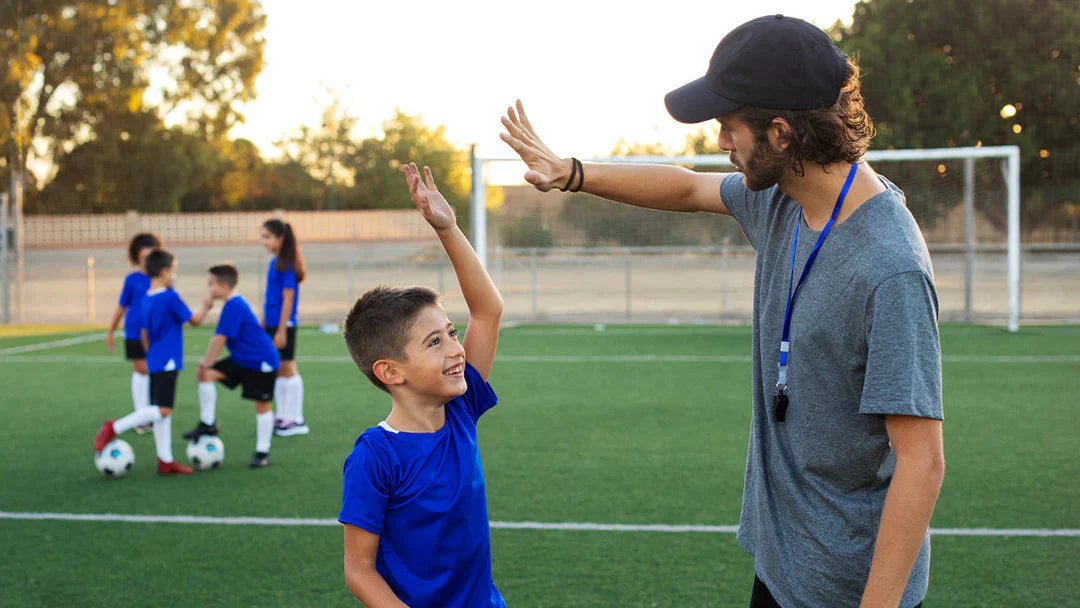
Coaches play a crucial role in the mental development of players. Through encouragement, guidance, and goal-setting, they shape more than just physical health; they also influence character. Teammates also provide social support by celebrating victories together and offering comfort after losses. Recognition and appreciation within a team, for example, when someone is named player of the match or receives support in difficult times, help to strengthen motivation and mental well-being.
Fostering positive mental habits for life
Football brings routines that promote healthy lifestyle habits, even beyond the sport. From regular exercise to maintaining a healthy body and weight, the discipline of training develops perseverance. Adults often take these lessons into other areas of their lives. Children are introduced to goal setting and perseverance early on, which lays the foundation for healthier adulthood. The physical benefits, such as improved fitness, increased muscle strength, and stronger muscles, go hand in hand with lifelong mental resilience and emotional balance.
Equipment for mental and physical security
Self-confidence is closely linked to preparation. Injury prevention and protective equipment play an important role in being able to perform with peace of mind. High-quality gear not only reduces the risk of setbacks but also improves performance. Whether you are young or old, investing in football equipment is important. From women's football gear to youth goalkeeper gear, Storelli.com offers advanced football equipment for both young players and adults. Protective goalkeeper equipment is essential, and Storelli.com has a strong range for all levels and budgets within goalkeeper equipment for football.
With the right support, players can fully focus on the game, confident that their safety and performance are supported by innovation.
Conclusion: the silent power of football
Football is much more than just a sport. It is a school for mental well-being, emotional intelligence, and resilience. From reducing symptoms of mental health problems to strengthening social bonds and promoting cooperation, football provides players of all ages with tools that extend beyond the field. Families, teachers, and coaches who encourage participation not only support physical health but also contribute to self-confidence, discipline, and psychological growth. The true power of football lies in these silent qualities, which shape healthier and happier people around the world.
Frequently asked questions
Why is football good for your brain?
Football challenges cognitive skills such as focus, memory, and reaction time. The constant need to read spaces, anticipate actions, and adapt tactics keeps the brain active and strengthens mental resilience. Football is like a puzzle you have to solve to score as many goals as possible.
Why does football make me happy?
Football improves your mood by combining physical activity with social support. The production of endorphins, friendships, and a sense of belonging together form a powerful foundation for happiness. Even just chatting with teammates about a match and focusing on something other than the stress of a busy day can do a lot.
What is the best sport for mental health?
While many sports are good for mental health, football stands out because it combines physical fitness with teamwork, strategy, and group support. This makes it one of the most effective sports for overall mental well-being.
How can football relieve stress?
Football provides stress relief through physical exertion, social connection, and emotional regulation. The adrenaline rush of the game, combined with camaraderie, truly helps players relax and regain perspective.


